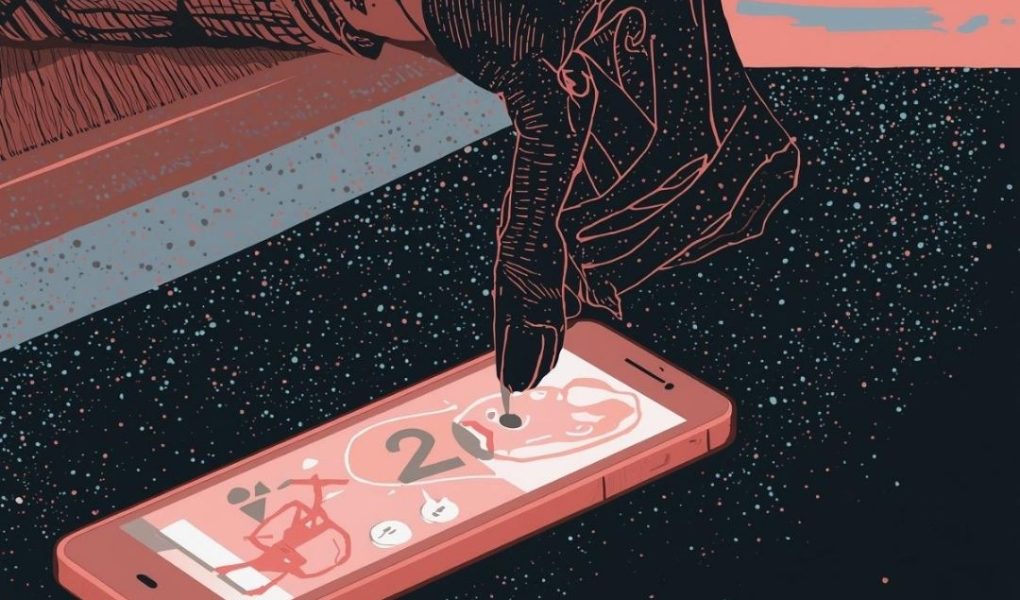
Dating apps can feel like a confidence booster and a confidence drain at once, shaping first impressions, fueling a dopamine-fueled “matches” loop, and subtly rewiring how we measure worth. In exploring the psychological effects of dating apps, this post looks at why swipes and likes can inflate the ego, how comparison culture skews attractiveness standards, and practical habits to keep genuine self-worth steady amid virtual applause.
How dating apps shape first impressions and self-perception
Dating apps compress introductions into tiny profiles, so first impressions amplify. Because users judge quickly, photos and bios become snapshots of identity. Consequently, the psychological effects of dating apps show up in how people present themselves and how they internalize reactions.
Consider these common shifts:
- Faster judgments: decisions happen within seconds.
- Curated identity: users highlight peak moments and filter flaws.
- Feedback loop: likes and matches influence mood and self-view.
For clarity, here’s a quick comparison:
| In-person first impressions | App-based first impressions |
|---|---|
| Rich context (voice, body language) | Photo + short bio only |
| Slower, nuanced judgment | Fast, appearance-driven judgment |
| Immediate rapport possible | Reliant on curated signals |
Therefore, the psychological effects of dating apps often include heightened self-monitoring and increased emphasis on appearance. On the bright side, apps can boost confidence through positive interactions. However, balance matters: set intentions, limit swiping, and remember that real personality emerges beyond a profile.
The “matches” dopamine loop: why likes feel so good
Swiping triggers quick rewards. Each match or like sparks a tiny dopamine hit, and therefore you feel a lift in mood and confidence. Over time, the app conditions you to seek that instant buzz, which explains why notifications can feel almost irresistible.
Why this loop matters:
- Immediate reward: A match delivers fast feedback, unlike gradual real-life connection.
- Variable reinforcement: Sometimes you get many likes, sometimes none — and that unpredictability strengthens the habit.
- Social proof: Matches signal desirability, so your brain links them with self-worth.
Quick comparison
| App Likes | Real-life Compliments |
|---|---|
| Fast, frequent, variable | Slower, deeper, contextual |
| Relies on external metrics | Relies on interpersonal cues |
Consequently, the psychological effects of dating apps include enhanced short-term mood but potential dependence on external validation. To stay balanced, notice the difference between fleeting dopamine hits and the lasting satisfaction that comes from real connection.
Swiping, validation, and the ego: when praise becomes addictive
Swiping taps into a simple reward system: you get a like, you feel good, and you repeat the action. Over time, dating apps train users to seek quick external validation. Consequently, the psychological effects of dating apps can shift self-worth from personal values to notification counts.
Key patterns:
- Rapid feedback loop: immediate likes release dopamine, so you chase that rush.
- Externalized self-esteem: you start to measure value by matches rather than character.
- Mood swings: praise lifts you briefly, but absence of validation brings downconfidence.
Quick comparison:
| Short-term boost | Long-term risk |
|---|---|
| Instant pleasure from likes | Reliance on external approval |
| Increased social confidence | Anxiety when engagement drops |
To stay balanced, try:
- Limiting swiping time.
- Focusing on meaningful conversations.
- Practicing self-affirmations daily.
Ultimately, awareness prevents praise from becoming addictive. By recognizing the psychological effects of dating apps, you can enjoy connections without letting your ego depend on every swipe.
Comparison culture: how apps distort attractiveness standards
Dating apps encourage quick judgments, so users rely on photos and short bios. Consequently, the psychological effects of dating apps often include heightened comparison and unrealistic expectations. Moreover, people start measuring themselves against curated highlights, not whole lives.
- Fast visuals prioritize looks, favoring certain angles, filters, and poses.
- Algorithms amplify popular profiles, creating feedback loops of attention.
- As a result, standards shift toward extremes, not everyday attractiveness.
Quick comparison
| Real-life dating | App-driven dating |
|---|---|
| Whole-person cues (voice, humor) | Photo-first impressions |
| Dynamic interactions | Static, curated profiles |
| Gradual attraction | Instant validation or rejection |
Therefore, the psychological effects of dating apps can erode confidence and fuel insecurity. To counterbalance, remember that apps show edited snapshots, not the full story. Finally, practice perspective: compare progress, not profiles, and prioritize authentic connection over appearance-based scores.
Real relationships vs. virtual applause: effects on confidence
Real relationships build steady confidence through shared experiences, whereas virtual applause — likes, swipes, and comments — often delivers quick, fragile boosts. Consequently, the psychological effects of dating apps can differ sharply from in-person connection.
Key differences at a glance:
| Aspect | Real Relationships | Virtual Applause |
|---|---|---|
| Feedback type | Deep, specific | Instant, shallow |
| Confidence effect | Stable, resilient | Fleeting, conditional |
| Emotional risk | Vulnerability fosters growth | Validation-seeking increases anxiety |
Practical signs you might rely on virtual applause:
- You check likes first thing in the morning.
- Compliments from matches outweigh real-life praise.
- You avoid deep conversations to keep the “good impression” flowing.
To rebalance confidence, try:
- Prioritizing face-to-face interactions.
- Seeking feedback from trusted friends.
- Limiting app time to prevent comparison traps.
Ultimately, remember that authentic confidence comes from consistent, caring relationships — not just momentary approval.
Healthy habits and boundaries to keep your self-worth grounded
Dating apps can boost confidence, but to protect long-term self-esteem, practice intentional habits and clear boundaries. The psychological effects of dating apps respond well to simple routines.
Quick habits to adopt:
- Limit daily time: 15–30 minutes reduces compulsive checking.
- Curate notifications: Only allow meaningful alerts to avoid constant validation.
- Seek offline feedback: Talk with friends about matches to get perspective.
- Journal wins and values: Record qualities you like about yourself beyond likes.
Boundaries to enforce:
- Decline messaging that feels disrespectful.
- Avoid using apps during low moods.
- Set clear dating goals (fun, casual, or serious).
Comparison: Habit vs Boundary
| Habit | Boundary |
|---|---|
| Regular app-free hours | No messaging after midnight |
| Track positive traits daily | Don’t chase matches for validation |
Ultimately, balance matters. By combining healthy routines with firm boundaries, you reduce the negative psychological effects of dating apps and keep your self-worth grounded and self-directed.
Frequently Asked Questions
Do dating apps actually make people feel more confident or just temporarily boost the ego?
Dating apps often provide short-term boosts to self-esteem because they deliver immediate social validation—likes, matches, and messages—that signal desirability. This validation can raise confidence in the moment, but it may be fragile and dependent on continued positive feedback. Over time, people can become reliant on external approval; when attention wanes, confidence can drop. Sustainable self-worth still needs internal sources like personal accomplishments, supportive relationships, and self-acceptance rather than only app-driven reinforcement.
Can frequent use of dating apps lead to unrealistic expectations about relationships?
Yes, frequent exposure to curated profiles and endless choice can create unrealistic expectations. Users may start to expect constant novelty, perfection, or instant chemistry because apps highlight highlights and de-emphasize mundane realities of partner compatibility. This ‘paradox of choice’ can make people more critical and less willing to invest in real-world relationship development. Over time, this shifts priorities from building shared life and compromise to seeking idealized traits, making long-term commitment feel less appealing or attainable.
How do dating apps affect mental health beyond ego changes—are there risks of anxiety or depression?
Dating apps can influence mental health in multiple ways. Positive interactions and successful matches can lift mood and reduce loneliness. However, negative experiences—rejection, ghosting, harassment, or comparison to others—can increase anxiety, lower self-esteem, and sometimes contribute to depressive feelings. The unpredictable feedback loop (waiting for messages, interpreting silence) can heighten rumination. Mindful use, clear boundaries, and limiting comparisons help mitigate risks. If app use causes persistent distress, seeking support from friends or a mental health professional is advisable.
How can I use dating apps in a way that protects my self-esteem and promotes genuine connections?
Use dating apps intentionally: set clear goals (casual dating, long-term relationship), limit time spent swiping to avoid burnout, and curate a profile that reflects your true self rather than an idealized persona. Focus on quality interactions—ask open-ended questions, suggest low-pressure real-life meetups, and pay attention to communication patterns that indicate respect and compatibility. Maintain interests and friendships outside the app to ground your identity. Finally, treat matches as possibilities, not guarantees of self-worth; practice self-care and reflect on what you truly want in a partner.