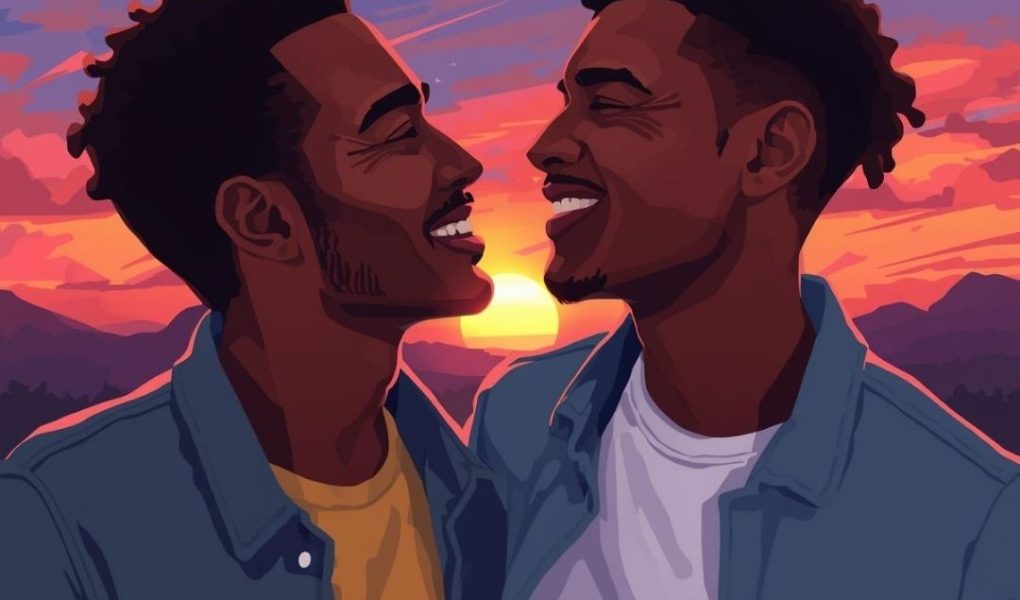
As dating apps plateau and conversations about commitment resurface, many Americans are asking whether Traditional Dating is staging a comeback—especially among younger generations curious about clearer expectations, slower pacing, and in-person rituals. This post explores recent trends and statistics, why people might be rediscovering older customs, how technology is adapting, and practical tips for trying more intentional, face-to-face dating in today’s cultural and economic landscape.
What do we mean by traditional dating?
Traditional Dating refers to a more intentional, often slower approach to romantic courtship that emphasizes in-person interaction, clear courting signals, and defined relationship stages. In contrast to swipe-first, text-heavy modern routines, traditional dating typically includes:
- Face-to-face meetings (dinners, family introductions)
- Clear progression (getting to know each other, exclusivity, commitment)
- Rituals and etiquette (planned dates, thoughtful gestures)
- Low reliance on apps for initial connection
For clarity, here’s a quick comparison:
| Aspect | Traditional Dating | App-driven Dating |
|---|---|---|
| First contact | In person or through friends | Swipe, message, algorithm |
| Pace | Slower, deliberate | Faster, exploratory |
| Communication | Longer in-person conversations | Short texts, asynchronous chat |
| Signals | Clear intent | Ambiguous intentions |
Ultimately, Traditional Dating centers on presence, purposeful steps, and shared expectations. As a result, it appeals to people who want deeper connection and less ambiguity in early romance.
Recent trends and statistics: Is there evidence of a comeback?
Data suggests hints of a shift back toward Traditional Dating, though the picture remains mixed. For example:
- Younger adults report increased interest in in-person meetups and defined courtship behaviors.
- Surveys show a small rise in couples citing fixed-date nights and intentional dating rituals.
- Meanwhile, app usage stays high, but time spent swiping has slightly decreased in some age groups.
Comparison of recent indicators
| Indicator | Trend | What it suggests |
|---|---|---|
| Time spent on dating apps | ↓ modestly | People seek offline connections more |
| Intentional dating habits | ↑ modestly | Renewed interest in rituals of courtship |
| First-meet locations | Shift to public, event-based | Preference for structured, safer encounters |
Overall, the evidence points to a gradual revival rather than a full-scale return to Traditional Dating. Importantly, cultural and economic factors temper this change, so expect regional and generational variation. In short, traditional practices are reappearing — but usually blended with modern technology.
Why younger generations might be rediscovering traditional dating
Younger people increasingly explore Traditional Dating because it offers clarity and intentionality. After years of swipe culture, many want deeper connections. Moreover, financial pressures and shifting life priorities encourage more meaningful relationship choices.
Key reasons:
- Desire for stability: Young adults face economic uncertainty, so they favor committed, predictable courtship.
- Mental health awareness: Consequently, they avoid ghosting and casual burnout by pursuing intentional dating.
- Cultural nostalgia: Parents’ and media portrayals of classic romance attract curiosity and experimentation.
- Technology fatigue: Many feel overwhelmed by endless options and prefer real-world rituals—dates, conversations, and planned time together.
Quick comparison:
| Modern App Dating | Traditional Dating |
|---|---|
| Rapid matching, casual chats | Slow courtship, focused conversations |
| Algorithm-driven | People-driven choices |
In short, younger generations blend the best of both worlds: they use technology when helpful, yet increasingly value the structure and emotional safety of Traditional Dating for building lasting relationships.
How dating apps and technology are shaping — and responding to — the shift
Tech both drives and adapts to the return of Traditional Dating. Rather than disappearing, apps now blend old-school rituals with digital convenience. For example:
- Apps emphasize meaningful profiles and prompts to encourage deeper conversation.
- Video dates and voice notes recreate in-person chemistry before meeting.
- Algorithms surface matches that share values and long-term intentions.
Meanwhile, platforms respond by adding features that support traditional courtship:
| Feature | Modern apps | Traditional element replicated |
|---|---|---|
| Long-form prompts | ✓ | Meaningful conversation starters |
| Scheduled video dates | ✓ | Planned face-to-face interaction |
| Slow-match modes | ✓ | Intentional pacing and exclusivity |
Consequently, users can enjoy efficient matching while practicing classic behaviors — like asking someone out directly or planning thoughtful first dates. Ultimately, technology now acts as a bridge: it simplifies logistics but lets people reclaim the rituals central to Traditional Dating.
Cultural, economic, and social factors driving the change
Several cultural, economic, and social forces push people back toward Traditional Dating. For starters, rising economic uncertainty encourages longer-term thinking: many young adults seek stability, which often means slower, in-person courtship. Likewise, cultural conversations about mental health and authenticity make screens feel less satisfying, so people prefer face-to-face rituals.
Key drivers:
- Economic pressures: Cost-conscious daters favor low-cost, intentional dates over endless app-swiping.
- Cultural shifts: A renewed interest in intentionality and boundaries supports classic dating rhythms.
- Social dynamics: Friends and family networks regain influence, encouraging introductions and community-based meeting.
Simple comparison:
| Factor | App-driven dating | Traditional Dating |
|---|---|---|
| Pace | Fast, immediate | Slower, intentional |
| Community role | Low | High |
| Cost | Variable | Often lower/structured |
Ultimately, these factors combine. As a result, many people see Traditional Dating as a way to build deeper connections amid economic strain and cultural yearning for authenticity.
Pros and cons of returning to more traditional dating rituals
Returning to Traditional Dating brings clear benefits and trade-offs. Below are the main points to consider.
Pros
- Deeper connection: Traditional Dating often emphasizes face-to-face time, which builds trust and emotional intimacy faster.
- Clear intentions: In-person courting tends to reduce ambiguity about commitment and expectations.
- Rituals and manners: Thoughtful gestures—dinner dates, meeting family—can strengthen bonds and create memorable experiences.
Cons
- Time and logistics: Traditional Dating demands more time, planning, and sometimes expense.
- Pressure and expectations: Rituals may introduce outdated gender roles or social pressure.
- Smaller pool: Relying solely on in-person meeting can limit potential partners compared with apps.
Comparison at a glance:
| Aspect | Traditional Dating | App-focused Dating |
|---|---|---|
| Emotional depth | High | Variable |
| Convenience | Low | High |
| Clarity of intentions | Clear | Often ambiguous |
In short, Traditional Dating can deepen relationships, yet it requires effort and intentionality. Therefore, weigh what fits your lifestyle and values before committing.
Practical tips for trying traditional dating in today’s U.S. scene
If you want to try Traditional Dating, start small and stay authentic. Below are practical, easy-to-follow steps to help you adapt classic rituals to modern life.
- Set clear intentions. Decide whether you want casual dates or a serious relationship.
- Choose face-to-face first. Prioritize phone calls or in-person meetups before heavy texting.
- Plan thoughtful dates. Simple activities—coffee, a walk, or a museum—encourage conversation.
- Dress and arrive with respect. First impressions still matter; be punctual and polite.
- Communicate expectations. Early honesty about boundaries, exclusivity, and timelines prevents confusion.
- Blend tech and tradition. Use apps to meet people, then move to offline interaction quickly.
Quick comparison
| Modern swipe-first | Traditional Dating approach |
|---|---|
| Long message threads | Short calls, then meet-up |
| Text-heavy courting | Face-to-face connection |
Finally, be patient and consistent. Traditional Dating rewards presence and effort, so show up, listen, and enjoy the process.
Frequently Asked Questions
What do you mean by “traditional dating” and how is it different from modern dating?
Traditional dating typically refers to more structured, intentional ways of meeting and getting to know potential partners—think planned dates, clear courting phases, in-person interactions, and often more emphasis on long-term commitment. Unlike many modern dating patterns that prioritize casual texting, app-based swiping, and ambiguous relationship labels, traditional dating usually involves more direct communication about intentions, slower progression toward exclusivity, and social rituals like asking someone out or courting with family involvement in some communities.
Is traditional dating really making a comeback in the U.S., or is that just nostalgia?
There is evidence suggesting a renewed interest in traditional dating behaviors among certain groups, though it’s not a universal reversal. Cultural conversations, media portrayals, and survey trends indicate some people—especially those tired of app fatigue and ghosting—are seeking more intentional, in-person connections. At the same time, economic pressures, shifting gender norms, and technology still shape how people meet, so what’s returning is often a hybrid: traditional values blended with modern realities, rather than a full-scale return to past norms.
How does technology influence the resurgence of traditional dating?
Technology plays a dual role. On one hand, dating apps and social media created the environment that many find exhausting—endless choice, superficial interactions, and communication via screens. On the other hand, technology helps people intentionally seek traditional-style dating: apps can filter for relationship-minded users, social platforms help coordinate face-to-face events, and messaging can be used to set clear expectations before meeting. Many people now use digital tools to arrange in-person dates that follow more traditional etiquette and pacing.
How can someone start practicing traditional dating while still living in a modern, digital world?
Begin by clarifying your own intentions and communicating them early and kindly. Prioritize in-person meetings once both parties feel comfortable—choose simple, conversation-friendly activities like coffee, walks, or dinners. Limit prolonged text-only interactions that can create ambiguity or misunderstandings. Set boundaries around app use, and be upfront about whether you’re seeking exclusivity or long-term commitment. Finally, be patient and deliberate: traditional dating values taking time to know someone, listening actively, and building trust through consistent, respectful behavior.