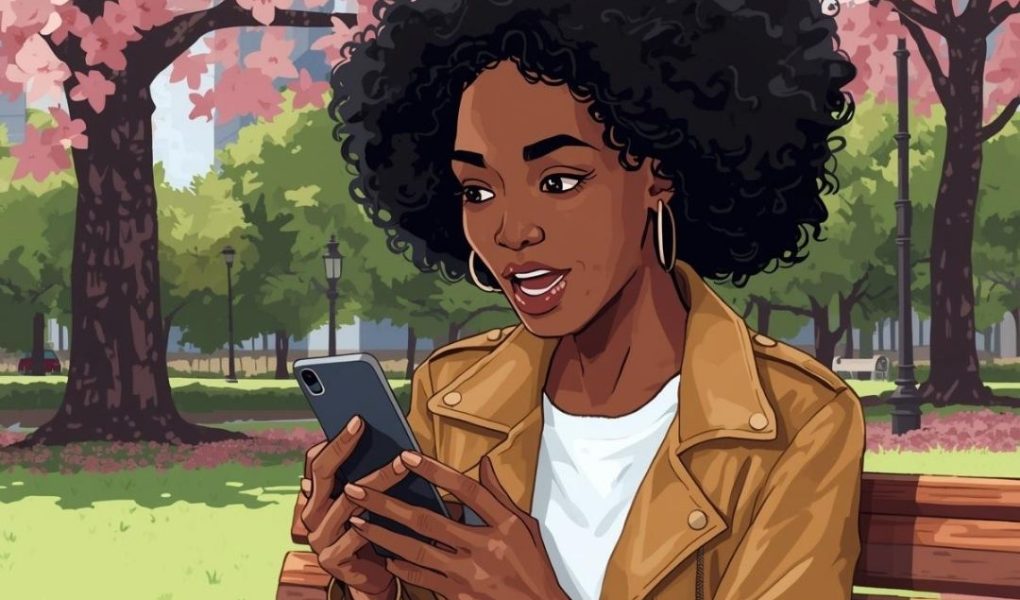
Psychologists say the true Attraction Trigger isn’t looks or lines—it’s a subtle blend of calm confidence and emotional presence that most men overlook. In this post you’ll learn what experts mean by this signal, how women actually respond, and practical ways to develop it without faking charm. Simple exercises and real examples will help you avoid common mistakes and start showing this magnetic trait authentically today.
What psychologists mean by the “number one” attraction trigger
Psychologists call the number one attraction trigger a consistent, subtle signal that communicates safety, warmth, and genuine interest. In short, it’s the way you make someone feel — not just what you say. Importantly, researchers emphasize tone, eye contact, and responsive presence as core components of this Attraction Trigger.
Why it matters:
- It conveys trust quickly.
- It differentiates genuine connection from superficial charm.
- It sustains interest longer than looks or status.
Quick comparison:
| Common signals | The Attraction Trigger |
|---|---|
| Compliments and jokes | Steady emotional availability |
| Flashy displays | Calm, attentive presence |
| Short-term intensity | Gradual warmth and reliability |
In practice, the Attraction Trigger shows up as small behaviors: leaning in, remembering details, matching energy, and listening without interrupting. Therefore, instead of trying to impress, focus on being present. Over time, this consistent presence becomes magnetic — and that’s precisely what psychologists mean by the number one attraction trigger.
Why most men overlook this subtle but powerful signal
Many men miss the Attraction Trigger because it’s quiet, not flashy. Instead, they chase obvious cues—looks, status, or bold talk—while this cue thrives in small moments. Consequently, women often respond to subtle confidence, emotional attunement, and consistent behavior rather than loud displays.
Common reasons men overlook it:
- They prioritize instant results over slow-building connection.
- They confuse confidence with dominance or arrogance.
- They ignore nonverbal cues and emotional reciprocity.
- They lack feedback and thus never refine the trigger.
Quick comparison:
| Loud Signals | Subtle Attraction Trigger |
|---|---|
| Flashy, short-term impact | Steady, long-term pull |
| Relies on external validation | Relies on emotional safety |
| Easy to fake | Harder, more authentic |
In short, the Attraction Trigger works because it signals trust and reliability. Therefore, noticing and practicing these low-key behaviors boosts attraction more than any grand gesture.
Recognizing the trigger: real signs women respond to
Women often react to the Attraction Trigger through subtle, consistent signals rather than dramatic displays. Therefore, learning to read these signs helps you respond naturally and confidently.
Look for these real signs:
- Sustained eye contact: she returns your gaze and holds it with a smile.
- Open body language: she angles toward you, uncrosses arms, and mirrors gestures.
- Light, playful touch: brief touches on the arm or shoulder during conversation.
- Curious questions: she asks follow-ups and shows genuine interest in your life.
- Lingering conversations: she finds reasons to keep talking rather than ending the interaction quickly.
Quick comparison table
| Positive Sign | What it means |
|---|---|
| Eye contact + smile | Comfort and interest |
| Mirroring | Emotional rapport |
| Playful touch | Flirtatious openness |
| Short replies | Low interest or distraction |
In short, the Attraction Trigger appears as consistent warmth and engagement. Consequently, when you notice several of these signals together, reciprocate calmly and authentically to build attraction.
How to develop and show this trait authentically
Developing the Attraction Trigger starts with self-awareness and consistent practice. First, slow down and listen; genuine curiosity reveals more than rehearsed lines. Next, align your actions with your values so your confidence feels natural rather than performed.
Try these practical steps:
- Reflect daily: write one sentence about how you responded to someone—did it feel honest?
- Ask open questions: show interest and follow up on details.
- Share small vulnerably: reveal a preference or minor flaw to build trust.
- Practice steady eye contact: balance warmth and attention without staring.
Quick comparison:
| Inauthentic | Authentic |
|---|---|
| Overprepares lines | Responds in the moment |
| Tries too hard to impress | Shows calm confidence |
| Masks emotions | Shares selectively and honestly |
Finally, remember patience. The Attraction Trigger grows when you consistently act with sincerity. Consequently, people sense your authenticity and respond more warmly.
Common mistakes that kill attraction and how to avoid them
Small behaviors can tank attraction quickly. Fortunately, you can fix them with awareness and practice. Keep the Attraction Trigger alive by avoiding these common errors:
- Trying too hard to impress — Instead, relax and show genuine curiosity. Confidence beats a rehearsed performance.
- Oversharing personal drama — Share gradually. Women respond to emotional steadiness, not a flood of problems.
- Ignoring nonverbal cues — Look for eye contact, smiles, and leaning in; adjust your approach accordingly.
- Talking only about yourself — Balance conversation: ask questions and listen actively.
- Fake confidence or arrogance — Authenticity wins. Admit uncertainty when it arises.
Quick comparison:
| Mistake | Better approach |
|---|---|
| Bragging | Highlight achievements humbly |
| Over-texting | Match her pace and tone |
| Being too available | Maintain boundaries and value |
Finally, practice the Attraction Trigger daily: be present, listen more, and mirror positive energy. Over time, these small shifts build real magnetic appeal.
Simple everyday exercises to practice the trigger
Practice makes the Attraction Trigger feel natural. Try these short, daily exercises to build confidence and authenticity.
- Mirror warm-ups (2–5 minutes): Smile genuinely, soften your gaze, and say a short affirmation. This trains facial cues women respond to.
- Micro-connections: Make brief eye contact and nod during conversations. Start with 3–5 interactions per day.
- Story polish (10 minutes): Tell one short, vivid anecdote to a friend. Focus on emotion and pacing to enhance presence.
- Calm breathing before social moments (1–2 minutes): Inhale 4, exhale 6. Reduced tension helps the Attraction Trigger show consistently.
Quick comparison table
| Exercise | Time | Benefit |
|---|---|---|
| Mirror warm-ups | 2–5 min | Improves facial warmth |
| Micro-connections | 3–5 interactions | Boosts perceived engagement |
| Story polish | 10 min | Enhances emotional presence |
| Calm breathing | 1–2 min | Lowers nervous cues |
Finally, track progress weekly and adjust. Little, consistent practice brings the Attraction Trigger into everyday interactions without forcing it.
Real-life examples and quick takeaways to start today
Here are simple, real-life examples that show the Attraction Trigger in action, plus quick takeaways you can use immediately.
- Example 1: At a coffee shop, you ask a simple opinion about a drink. She lights up because you showed genuine interest.
- Takeaway: Ask one meaningful question instead of small talk.
- Example 2: During a walk, you notice and compliment a detail (her laugh, a unique accessory). She responds warmly.
- Takeaway: Compliment specifics — it feels authentic.
- Example 3: You share a brief, confident story about something you learned. She leans in.
- Takeaway: Be vulnerable but concise.
Quick comparison:
| Action | Typical Effect |
|---|---|
| Generic compliment | Mild reaction |
| Specific, curious comment (Attraction Trigger) | Stronger connection |
Start today: practice one 2-minute interaction daily using the Attraction Trigger. Finally, reflect afterwards: what worked, what felt natural, and what you’ll tweak. Small, consistent steps build real confidence and attraction.
Frequently Asked Questions
What is the #1 attraction trigger psychologists say most men ignore?
According to many psychologists who study interpersonal attraction, the top trigger that often gets overlooked is emotional attunement — the ability to accurately read, respond to, and mirror another person’s emotional state. It’s not just about being kind or physically attractive; attunement shows you care and understand someone on a deeper level. When someone feels seen and emotionally understood, they experience safety and connection, which are powerful drivers of attraction. Men who focus primarily on surface-level signals (appearance, humor, or conquest) can miss the subtle, consistent behaviors that communicate attentiveness: eye contact that registers feelings, reflective listening that validates emotions, and small gestures that match a partner’s mood. This kind of responsiveness fosters trust and intimacy over time, which often matters more for long-term attraction than initial chemistry alone.
How can I practice emotional attunement in everyday interactions?
Start by slowing down and prioritizing listening. Instead of planning your next comment or trying to ‘fix’ someone’s problem immediately, try to reflect back the emotion you sense: say things like, “It sounds like that made you feel frustrated,” and wait for confirmation. Ask open-ended questions that invite depth, such as “What was that like for you?” Use nonverbal cues—lean in, maintain comfortable eye contact, and mirror body language subtly—to show you’re present. Notice small emotional shifts and respond proportionally: if someone looks tired, offer a gentle acknowledgment rather than launching into a big conversation. Practicing mindfulness and checking your assumptions helps too; ask yourself if your response centers the other person’s experience rather than your agenda. Over time, these habits create a pattern of reliability and emotional safety that people find magnetically attractive.
Won’t showing vulnerability make me seem weak or less attractive?
Vulnerability is often misunderstood as weakness, but in social and romantic contexts it signals authenticity and courage. Psychologists find that when someone appropriately shares feelings, it increases intimacy because it invites reciprocity and builds trust. That said, vulnerability should be balanced and context-sensitive: oversharing very personal crises too early can overwhelm someone, while strategic, measured disclosures—like admitting uncertainty, expressing gratitude, or naming a fear—demonstrate emotional maturity. The key is that vulnerability must be paired with emotional regulation: you show you can feel deeply and also manage those feelings. When done well, vulnerability becomes a strength that differentiates you from others who hide behind bravado, making you more relatable and attractive in the long run.
How do social and cultural norms affect this attraction trigger, and can I overcome them?
Social and cultural norms strongly shape how emotional attunement and vulnerability are expressed and perceived. In many cultures, men receive messages that discouraging emotional openness makes them more ‘masculine,’ which leads to habits of emotional suppression. These norms can create a mismatch between what people deeply want (connection and understanding) and what they’re taught to show. The good news is norms are malleable: with intentional practice and role models who value emotional intelligence, you can retrain your habits. Start small—share feelings in safe contexts, seek feedback from trusted friends, and observe emotionally skilled people. Therapy, coaching, or reading psychology-based guides can accelerate change. Over time, personal behavior shifts can influence your immediate social circle and even help change broader expectations.